
Policy Work
Policy Work
Mortgage Moratoria (pdf)
Key findings
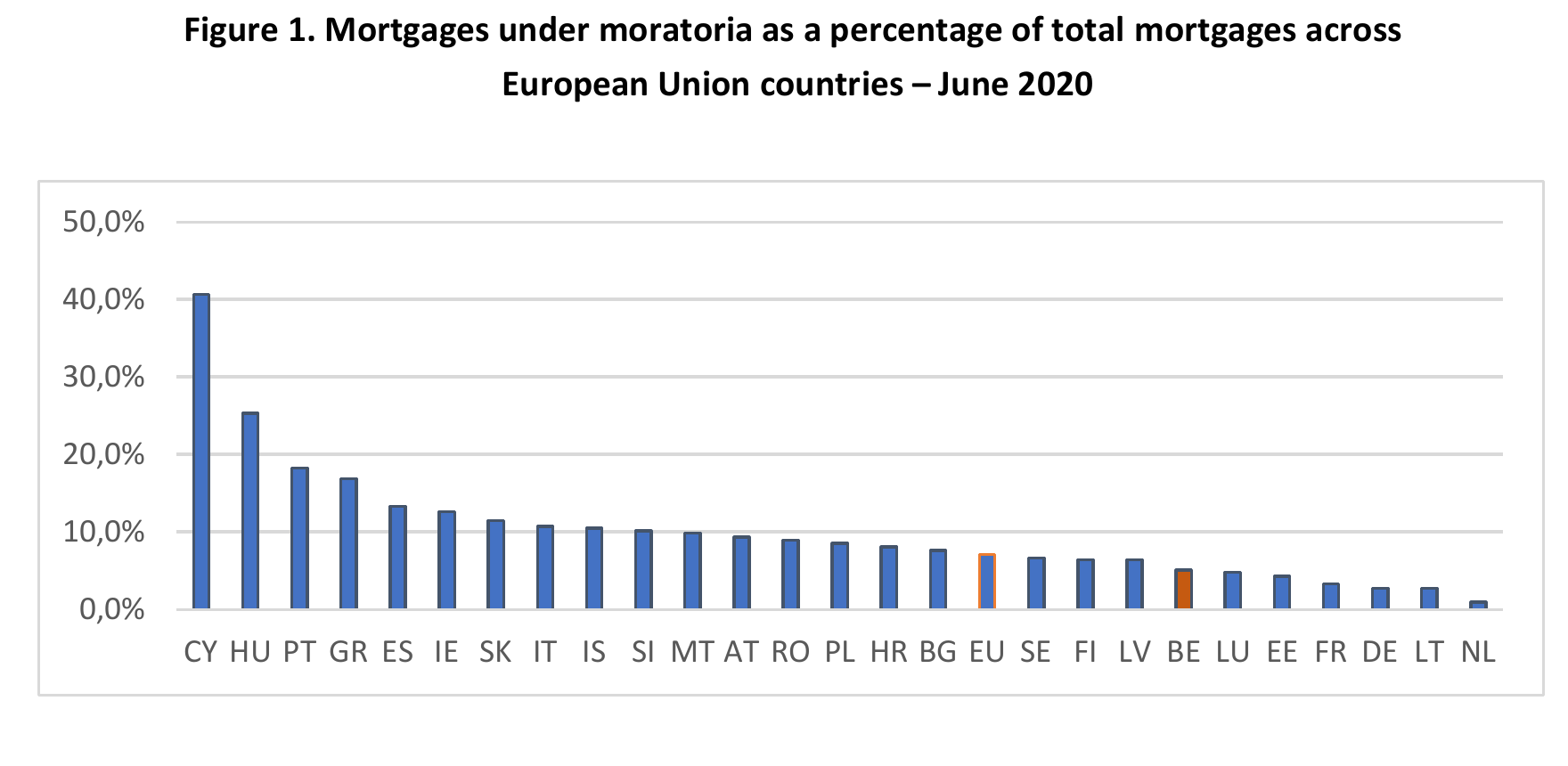
- In April 2020, Belgium introduced a debt suspension policy aimed at supporting mortgage holders facing financial challenges due to the COVID-19 pandemic. Approximately 6% of outstanding mortgages benefited from the program.
- This study examines the impact of the mortgage moratoria program on the financial outcomes of households during the pandemic, arguing that assignment to the policy provided critical support to the most vulnerable borrowers.
- Findings show that eligible households for the debt suspension policy reduced their mortgage payments by an average of €307 relative to the non-eligible during the policy period.
- While no immediate impact on consumption was observed, eligible borrowers increased spending on services compared to non-eligible households after the policy ended.
The effects of high inflation on public finances in the euro area (pdf) (SUERF)
Key findings
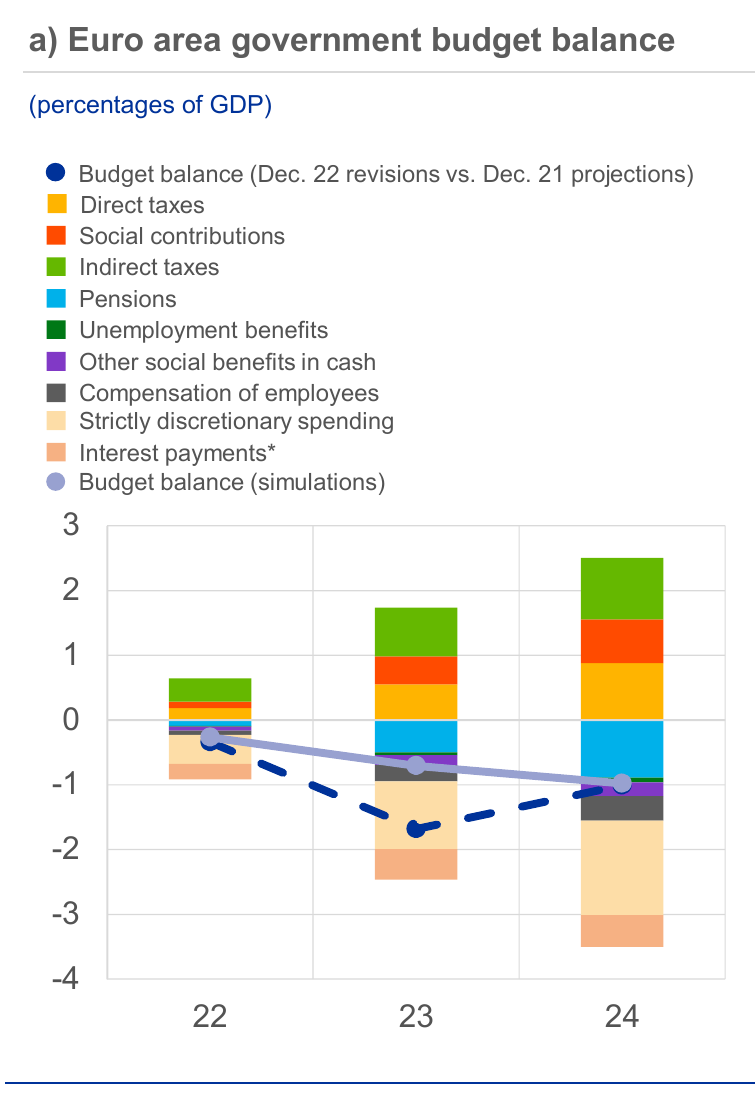
According to the simulations, the budget balance in the euro area is adversely affected by the recent inflation surge (Chart 7, Panel a)). The limited, albeit instantaneous, rise in taxes and the partial reaction on the expenditure side only has a marginally negative overall effect on the budget balance in 2022. In subsequent years, however, spending pressures intensify due to lagged indexation arrangements. This more than offsets the revenue benefits, leading to a decrease of nearly 1% of GDP in the budget balance level in 2024. The finding brings into question the conventional wisdom that inflation should benefit fiscal accounts.